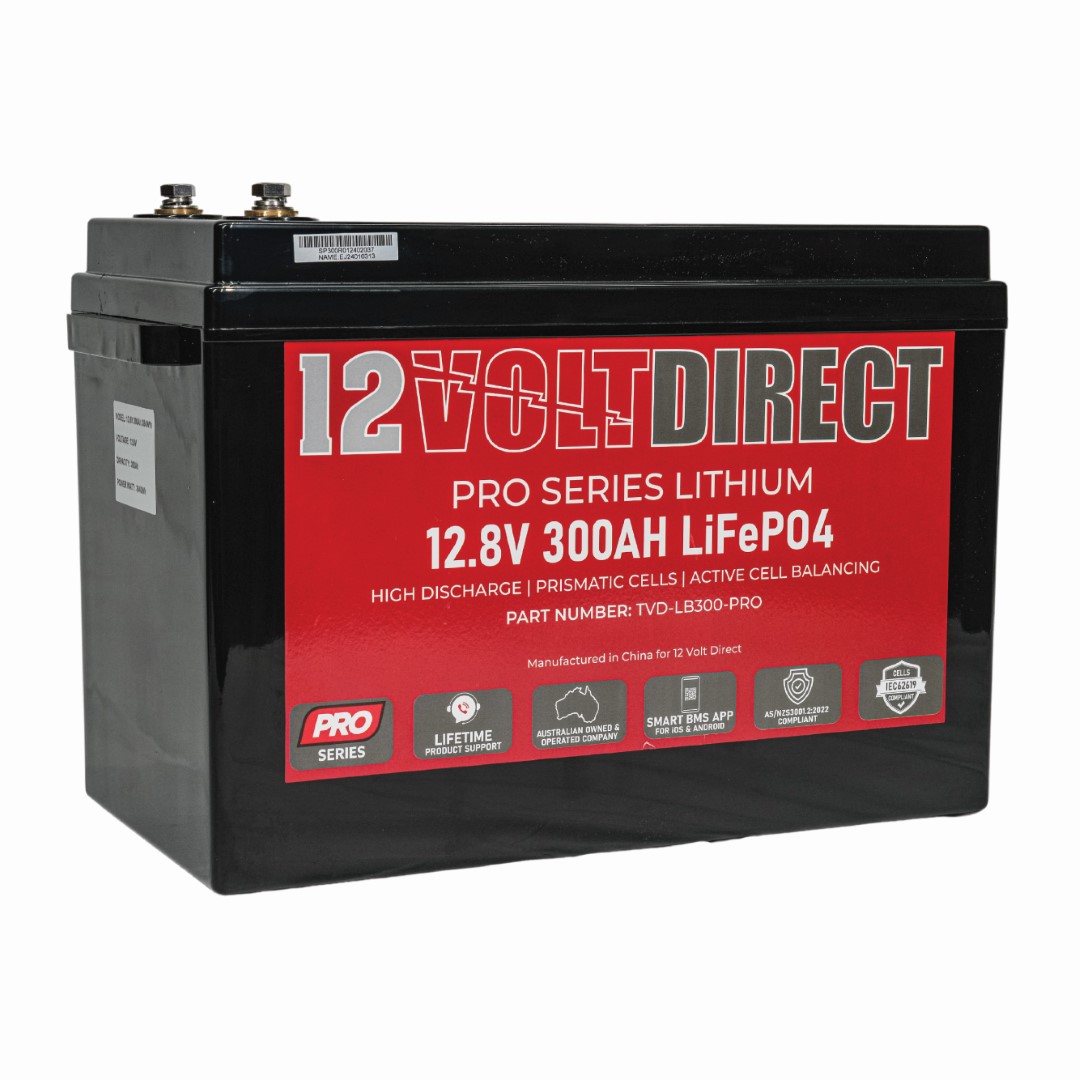
My Vehicle
Cart
Many people search for a "12V air conditioner" hoping to cool a caravan or camper from the battery. It can be done, but it takes far more power than most 12V systems carry. This g...
Read articleMany people search for a "12V air conditioner" hoping to cool a caravan or camper from the battery. It can be done, but it takes far more power than most 12V systems carry. This guide explains what really works, what size battery and inverter you need, and which roof units suit which van.
The short answer: caravan roof air conditioners run on 240V. Off-grid, you can run one through a quality 2,000W pure sine wave inverter and a large lithium battery bank, but expect a draw of over 100A from 12V while it cools. On a powered site or with a 2kVA generator, they run easily.
| Unit | Cooling / heating | Input power (cooling) | Suits | Weight |
|---|---|---|---|---|
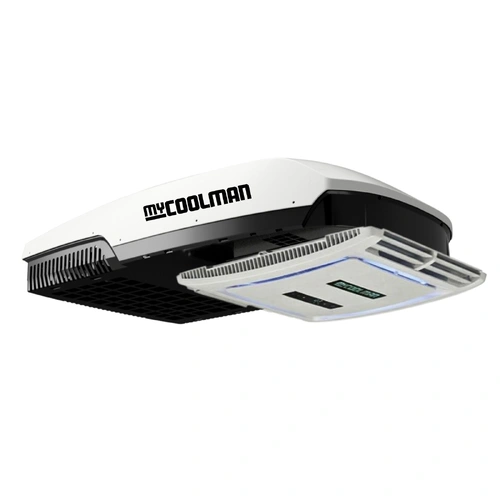
| myCOOLMAN 2.7kW (CCA2700i) | 2.7kW / 2.5kW | 1,240W | Caravans, campers and RVs | 38.4kg installed |
| myCOOLMAN 3.5kW (CCA3500i) | 3.5kW / 3.0kW | 1,200W | Caravans and RVs up to 8.5m | Under 36kg |
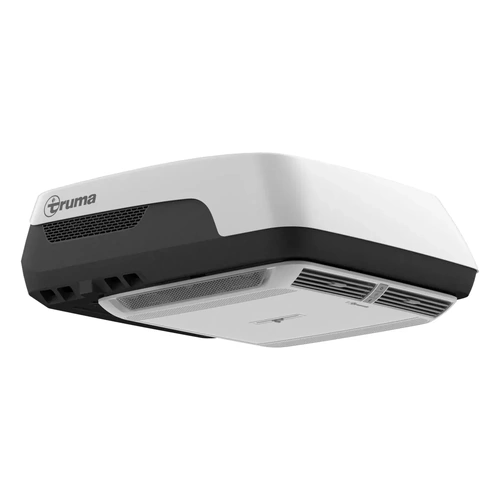
| Truma Aventa Compact Plus 2nd Gen | 2.2kW / 1.5kW | 5A at 230V | Vans up to about 7m | 24.2kg |
| Truma Aventa Comfort 2nd Gen | 2.5kW / 2.0kW | 4.9A at 230V | Vans 7m and over | 28.7kg |
Figures are from the manufacturers' specifications on our product pages.
At around 1,200W, a roof air conditioner draws roughly 110A from a 12V battery once inverter losses are included. That means:
| Battery bank (lithium, usable) | Approx. run time while cooling |
|---|---|
| 100Ah | Under 1 hour |
| 200Ah | About 1.5 hours |
| 400Ah | About 3 hours |
Run times are approximate. Inverter compressors ramp down once the van is cool, so real use is often lower. Solar helps during the day, and a quality 2kVA pure sine wave generator runs these units without draining your batteries.
Planning an off-grid setup? Ask our team and we can help you size the inverter and batteries.
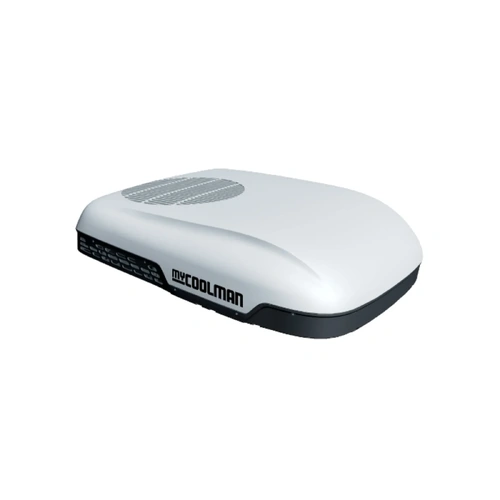
myCOOLMAN 2.7kW Roof Air Conditioner
Reverse cycle, Bluetooth control, inverter compressor.
$1899.00
Only through a large inverter and a big lithium battery bank. A roof air conditioner like the myCOOLMAN 2.7kW draws about 1,240W while cooling, which is over 100A from a 12V battery. A 100Ah battery would last less than an hour.
myCOOLMAN recommends a quality 2,000W pure sine wave inverter for its 2.7kW and 3.5kW roof units, or a 2kVA pure sine wave generator.
The myCOOLMAN 3.5kW suits caravans up to 8.5m. Truma rates its Aventa Compact Plus for vans up to about 7m and the Aventa Comfort for 7m and over.
Yes. They are reverse cycle. The myCOOLMAN 2.7kW heats at 2.5kW and the 3.5kW at 3.0kW.
Yes. These units run on 240V mains. Truma's Aventa units have a low starting current, so they suit sites with lower-rated power.
For mild nights, yes. A 12V fan moves air for a few amps, but it does not cool the air like an air conditioner.
A 12V oven turns your vehicle's battery into a hot lunch on the road and a proper dinner at camp, with no gas, no flame and no inverter. They draw far less than you might expect. ...
Read articleA 12V oven turns your vehicle's battery into a hot lunch on the road and a proper dinner at camp, with no gas, no flame and no inverter. They draw far less than you might expect. This guide compares the main 12V oven types and how much power each uses.
The short answer: a standard 12V travel oven like the Road Chef draws about 8.3A (100W), heats to 180°C and can cook while you drive. Smaller ovens draw as little as 5.5A and plug into a cigarette socket. Bigger dual-element ovens draw up to 20A and should run from an Anderson-style socket.
| Oven | Size | Draw at 12V | Max temp | Plugs into |
|---|---|---|---|---|
| Road Chef Little Tacker | 2.7L, lunchbox size | About 5.5A (66W) | 150°C | Cigarette or Merit socket |
| Road Chef 12V 4x4 Marine Oven | Fits 8 pies | About 8.3A (100W) | 50 to 180°C | Anderson, cigarette or Merit (all supplied) |
| Digital Road Chef | Same as standard | About 8.3A (100W) | Up to 195°C, 100 min timer | Anderson-style socket |
| Road Chef Big Bertha | 13L, two racks | Up to 20A (both elements) | 80 to 180°C, 2 hr timer | Anderson-style socket |
At about 8.3A, an hour of cooking in a standard Road Chef uses roughly 8Ah. A 100Ah lithium battery can run it for several hours, and if you cook while driving, your alternator or DC-DC charger is putting that power back at the same time.
| Cook time (standard Road Chef) | Battery used (approx.) |
|---|---|
| 30 minutes | About 4Ah |
| 1 hour | About 8Ah |
| 2 hours | About 17Ah |
Because 12V ovens are electric with no open flame, they are silent, fume-free and safe inside a canopy, cabin or boat. Always check local fire rules.
An 12V air fryer crisps food faster but draws about 22A. A 12V oven is gentler on power and can cook while you drive. Read our 12V air fryer guide to compare.
Our standard Road Chef draws about 8.3A (100W). The Little Tacker draws about 5.5A (66W). The Big Bertha 13L runs two elements and draws up to 20A with both on, or half that on one element.
The Little Tacker plugs into a cigarette or Merit socket. The standard Road Chef comes with Anderson, cigarette and Merit plugs. Higher-draw ovens should run from an Anderson-style socket.
Yes. Road Chef ovens are built to cook on the move, so dinner is ready when you pull up. Secure the oven with its mounting brackets first.
The standard Road Chef runs from 50 to 180°C, the Digital Road Chef up to 195°C and the Little Tacker up to 150°C.
An air fryer cooks and crisps faster but draws about 22A. A 12V oven draws less and can cook slowly while you drive. Many travellers use one for meals on the road and the other at camp.
The standard Road Chef fits 8 pies at once. The Big Bertha has a 13L cavity with two racks, and the Little Tacker is lunchbox-sized at 2.7L.
Searching for a "12V heater" usually means you want a warm van or camper without plugging in to mains power. There are a few ways to do that, and they use very different amounts o...
Read articleSearching for a "12V heater" usually means you want a warm van or camper without plugging in to mains power. There are a few ways to do that, and they use very different amounts of battery. This guide compares them and explains what will actually keep you warm off-grid.
The short answer: for heating a caravan, camper or van off-grid, a diesel heater is the most practical option. It puts out 2 to 5kW of heat while drawing only a few amps from your 12V battery once running. A 12V electric blanket is the cheapest way to stay warm in bed. 12V fan heaters are only good for demisting a windscreen. They won't heat a van, tent or cabin.
| Option | Heat output | Power or fuel use | Best for |
|---|---|---|---|
| Diesel heater (e.g. AU Focus 2kW or 5kW) | 2,000 to 5,000W | Typically 1 to 2A from 12V once running, plus diesel | Caravans, campers, vans and boats off-grid |
| Gas or diesel combi with hot water (e.g. Truma Combi) | Space heating and hot water | Gas or diesel, plus a small 12V draw | Caravans and motorhomes wanting hot water too |
| 12V electric blanket | Warms the bed, not the room | A few amps | Sleeping warm with the least battery use |
| 12V fan heater | A few hundred watts at most | Limited by the 12V circuit | Demisting a windscreen only |
| 240V heater through an inverter | 1,000 to 2,000W | Over 100A from a 12V battery | Only when plugged in to mains or a generator |
Draw figures are typical and vary by model. Check the specifications of the unit you choose.
A diesel heater burns a small amount of diesel to make heat, and only uses your battery to run its fan, fuel pump and controller. That is why it can run for hours on a modest battery while putting out far more heat than any 12V electric heater could.
Diesel heaters need an exhaust outlet outside the vehicle, a fuel line and a fused 12V supply. Have it installed by a qualified installer if you are not confident.
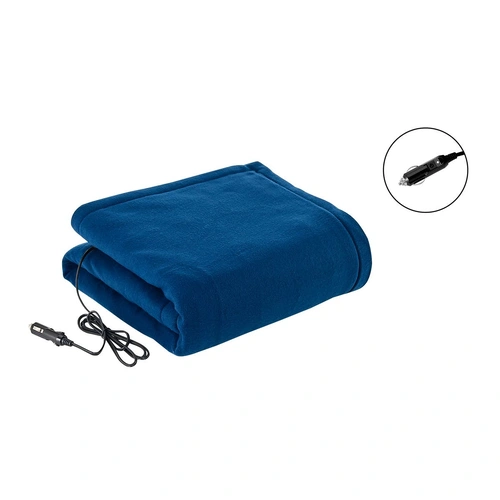
A 12V electric blanket heats you, not the air, so it is the most battery-friendly way to sleep warm. Pair one with a diesel heater for cold evenings and you can switch the heater off overnight.

AU Focus 2kW Diesel Heater Kit
Compact 12V diesel heater kit with 5L tank and app control.
$749.00
Want heating and hot water in one unit? See the Truma Combi D6, or ask our team which heater suits your setup.
Not really. A 12V fan heater is limited by the current a 12V circuit can carry, so it puts out a few hundred watts at most: enough to demist a windscreen, not to heat a space. A diesel heater puts out 2,000 to 5,000 watts of heat while drawing only a few amps once it is running.
Diesel heaters typically draw 8 to 10A for a few minutes while the glow plug starts them, then around 1 to 2A while running. Check the manual for your model.
A 2kW heater suits most caravans, campers and vans. A 5kW unit suits larger caravans, workshops and boats, or colder climates.
Yes, for sleeping. It warms you rather than the air, so it uses far less power than any heater. Run it from a socket wired for its current, and switch it off once you are warm.
A diesel heater, usually yes, because it uses only a few amps once running. A 240V electric heater through an inverter, no: at 1,000 to 2,000W it would draw over 100A from a 12V battery.
Yes. They need an exhaust outside the vehicle, a fuel supply and a 12V feed. Our AU Focus kits come complete with a 5L fuel tank. Have it fitted by a qualified installer if you are not confident.
Mythbusted: The Truth About Drop-In Replacement LiFePO4 Batteries Understanding the Analogy Imagine trying to run a marathon in dress shoes instead of running sneakers. While ...
Read article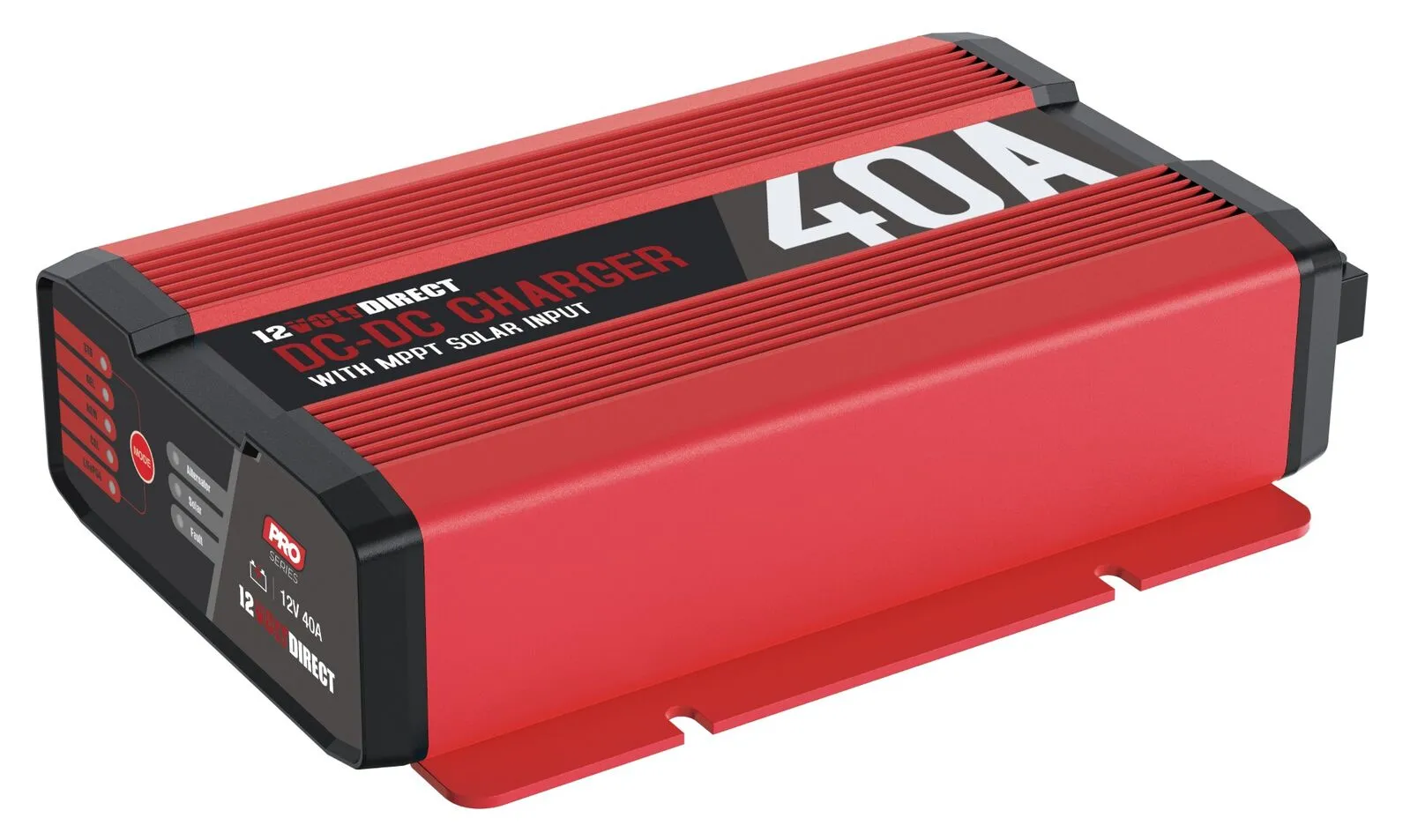
Imagine trying to run a marathon in dress shoes instead of running sneakers. While you might complete the race, it won't be comfortable or efficient, and you could end up with injuries. Similarly, Drop-In Replacement (DIR) LiFePO4 batteries are marketed as direct substitutes for lead-acid batteries, but they will not deliver the promised benefits without proper adjustments.
DIR batteries typically consist of a 12.8V LiFePO4 cell pack with a built-in Battery Management System (BMS), often enclosed in a standard-sized case. They seem like a straightforward upgrade for existing lead-acid or AGM batteries, but appearances can be deceiving. While switching to LiFePO4 offers significant advantages, using a DIR battery without modifying your system can limit these benefits.
AGM batteries require a multi-stage charging process (3 to 7 stages), factoring in temperature variations. In contrast, LiFePO4 batteries have a simpler two-stage process: Bulk and Float. The Bulk stage rapidly charges the battery to full, while the Float stage maintains the charge by supplying power as needed. Typical settings include a Bulk charge voltage between 14.2V and 14.7V and a Float voltage between 13.6V and 14.2V. This can result in an AGM charger thinking a LiFePo4 is fully charged when in fact its only 70-80% charged.
Charging Inefficiencies: Using an AGM charger on a LiFePO4 battery can result in slower charging times. AGM chargers may enter Absorption mode prematurely, further slowing down the charging process and preventing the battery from reaching full charge efficiently if at all.
Inaccurate Monitoring: Battery monitors designed for AGM systems may provide incorrect charge status readings when used with LiFePO4 batteries.
Vehicle Alternator Stress: When a DIR LiFePO4 battery is installed as a secondary battery with a Voltage Sensitive Relay (VSR) or similar controller, it presents low resistance to the alternator. This can overwork the alternator, leading to potential burnout or cycling on and off, which is not ideal.
To effectively use a LiFePO4 battery, ensure your charging system is compatible with LiFePO4 charging profiles. Specifically, use an appropriate 12 Volt Direct lithium charger designed for LiFePO4 batteries. These chargers are built to deliver the correct charging stages and voltages, maximizing the performance and longevity of your LiFePO4 batteries.
A LiFePO4 battery's BMS is designed to protect the battery but can also cause issues if the system goes outside its parameters. This can result in unexpected shutdowns of charging or discharging, leading to potential problems.
In conclusion, no LiFePO4 battery is a true DIR solution. You can fit a LiFePO4 battery without a compatible charging system however there are risks involved and simply dropping them into an existing system without adjustments will not yield the desired results. Always ensure your system is appropriately set up, and use a 12 Volt Direct lithium charger to maximize the performance and longevity of your LiFePO4 batteries.
Optimize your power system with 12 Volt Direct. Explore our range of LiFePO4 batteries and compatible chargers today!